Colour & Perception: A Branding Foundation
This project was a deep dive into the fundamental principles of colour theory, exploring its power not just as a visual element, but as a critical communication tool. The assignment challenged me to move beyond personal preference and understand colour through the lenses of physics, psychology, and strategic branding.
Final Designs
Problem?
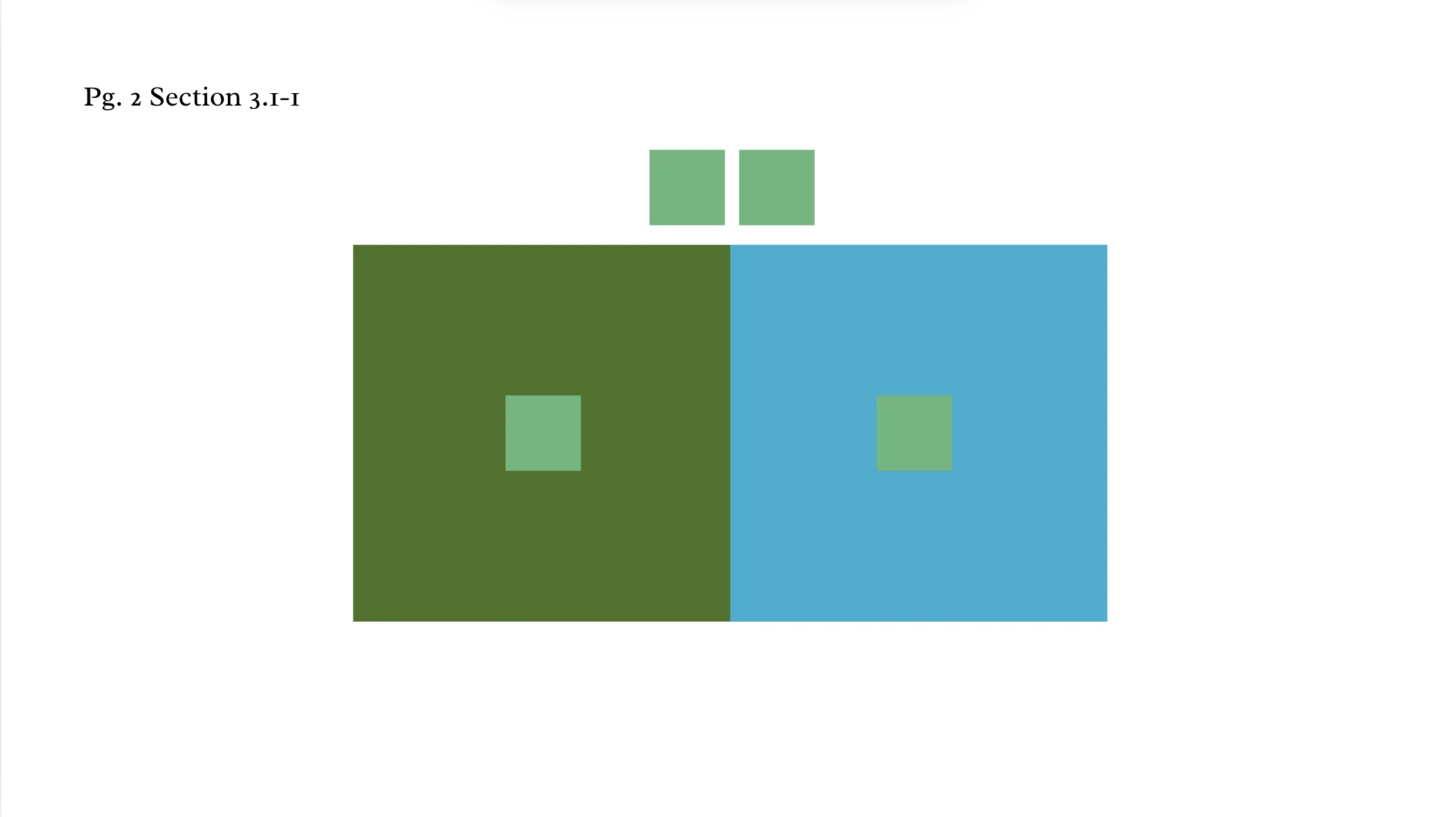
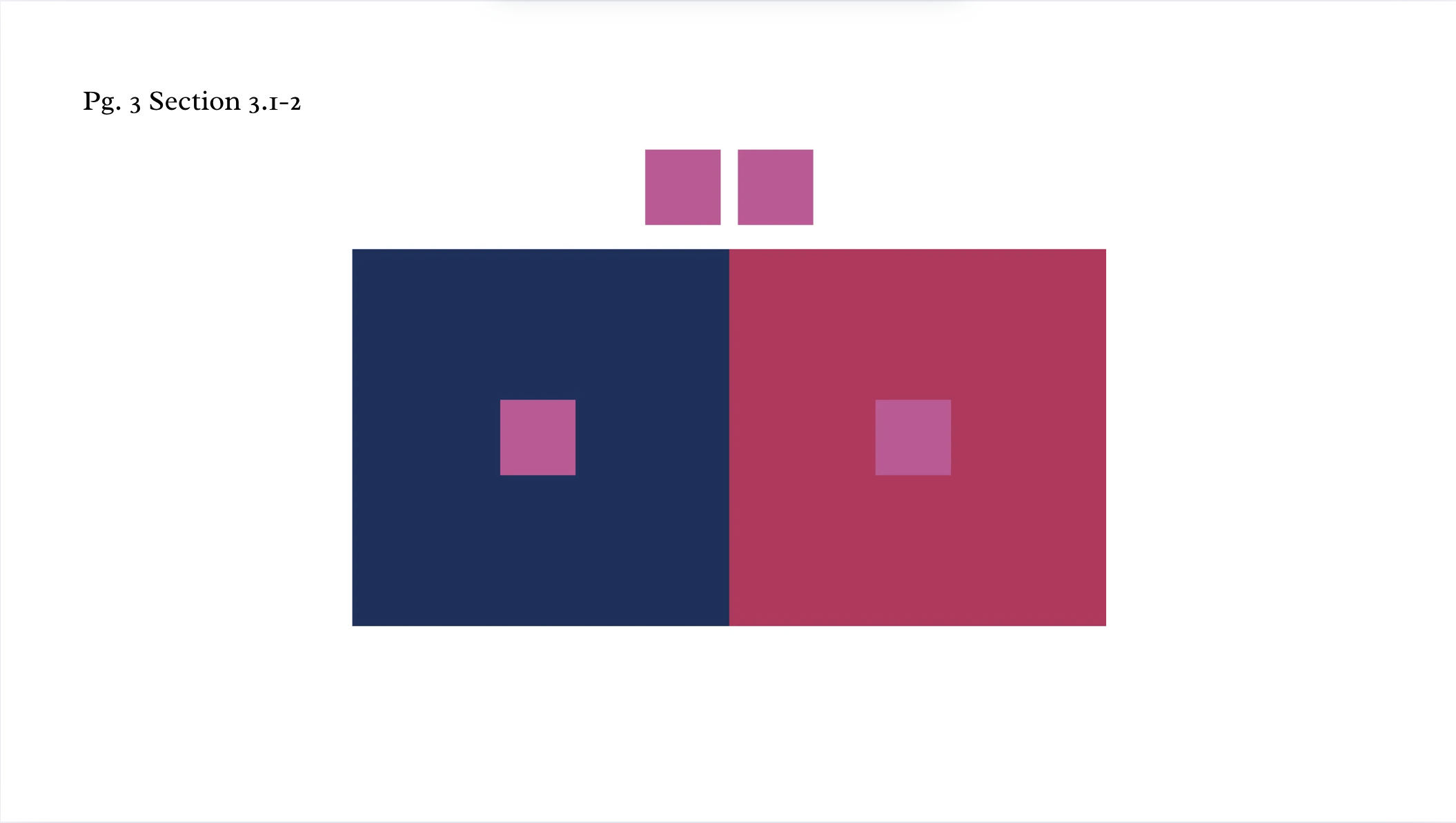
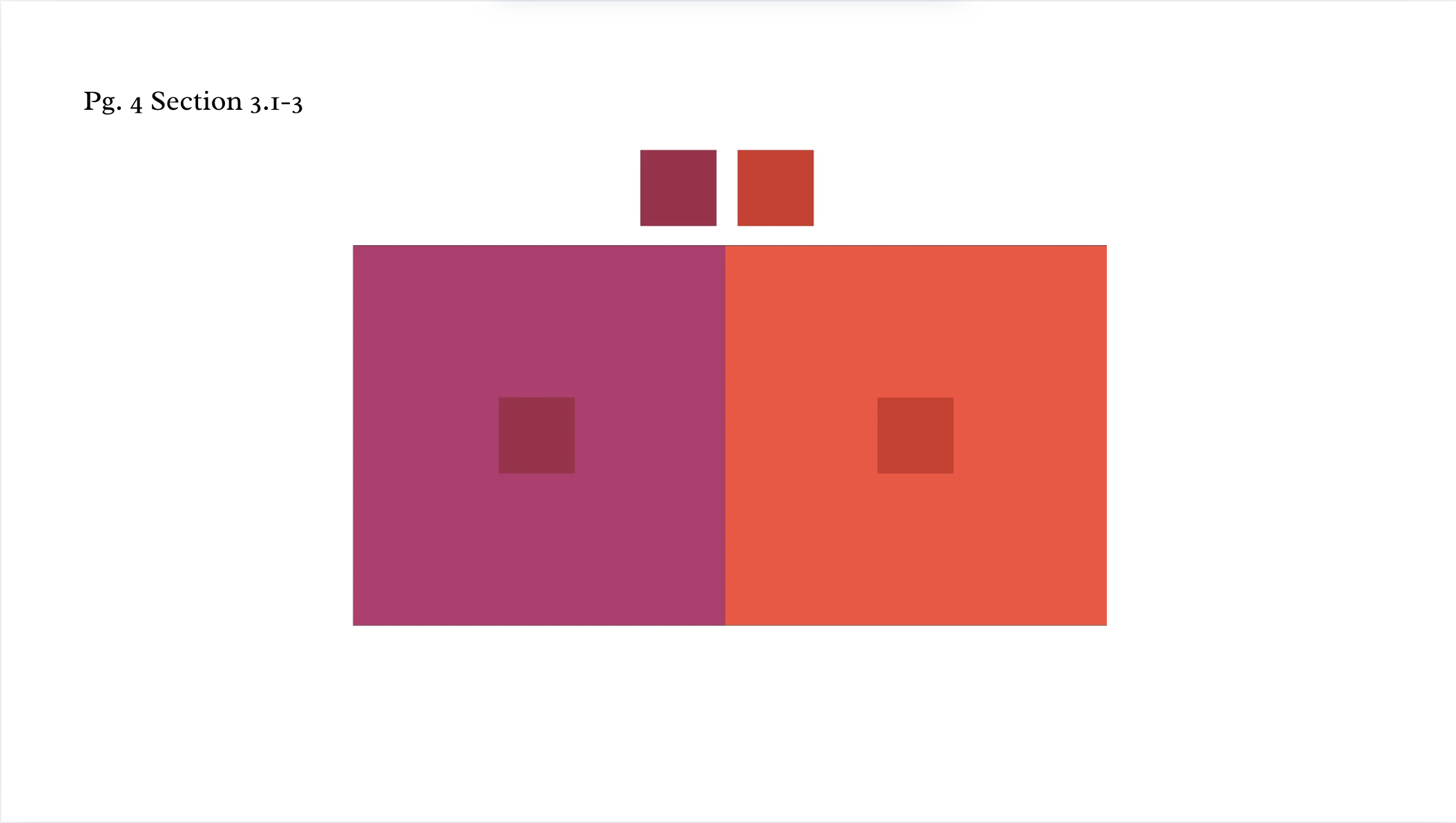
The initial challenge was overcoming the subjective and relative nature of colour. As Josef Albers famously stated, "colour deceives continually." My early attempts at creating brand palettes were generic because I focused on applying colours, not strategically crafting them. I learned firsthand how a colour's appearance is fundamentally altered by its context, and how easy it is to create palettes that lack cultural or demographic resonance.
Solution?
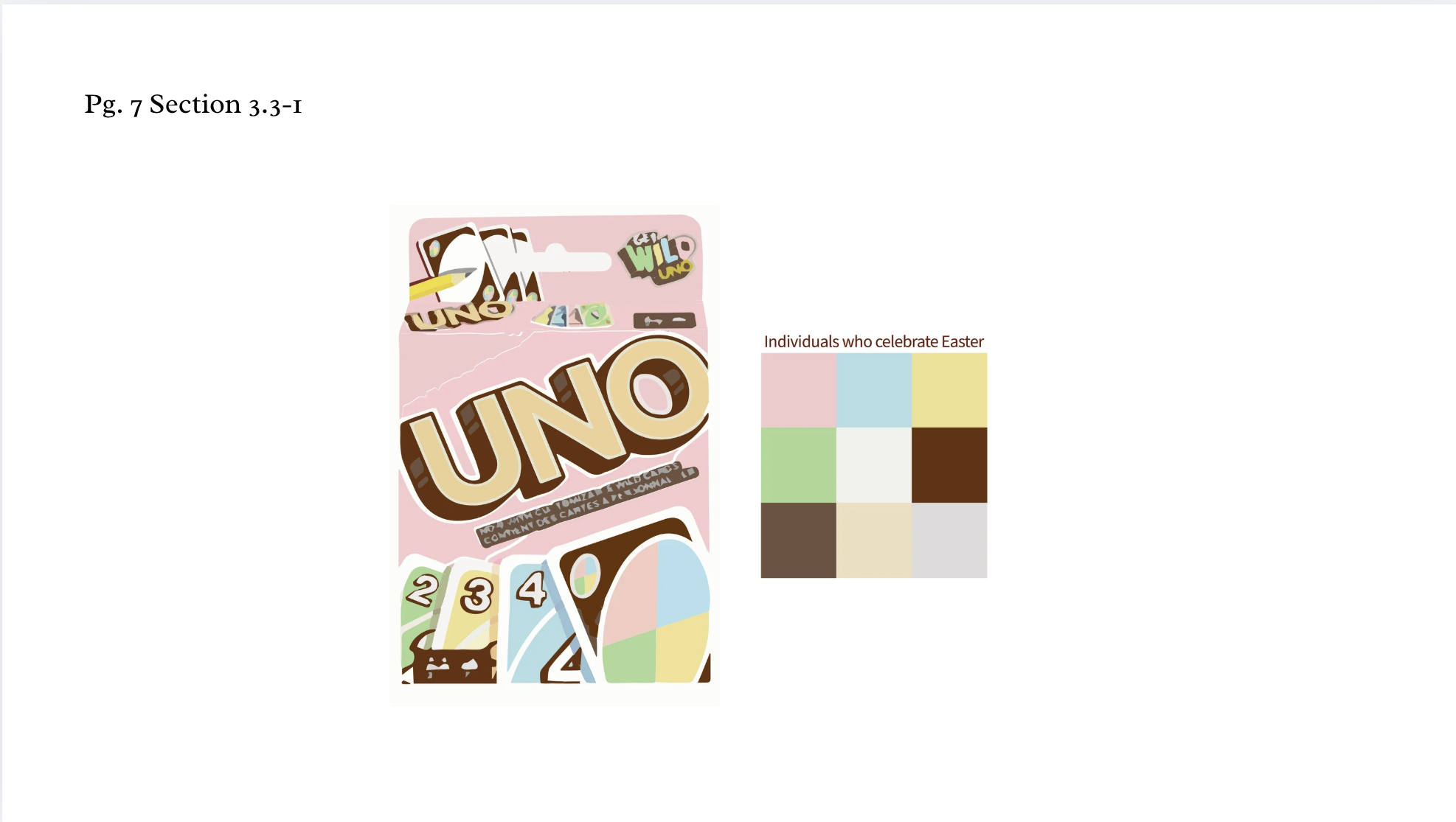
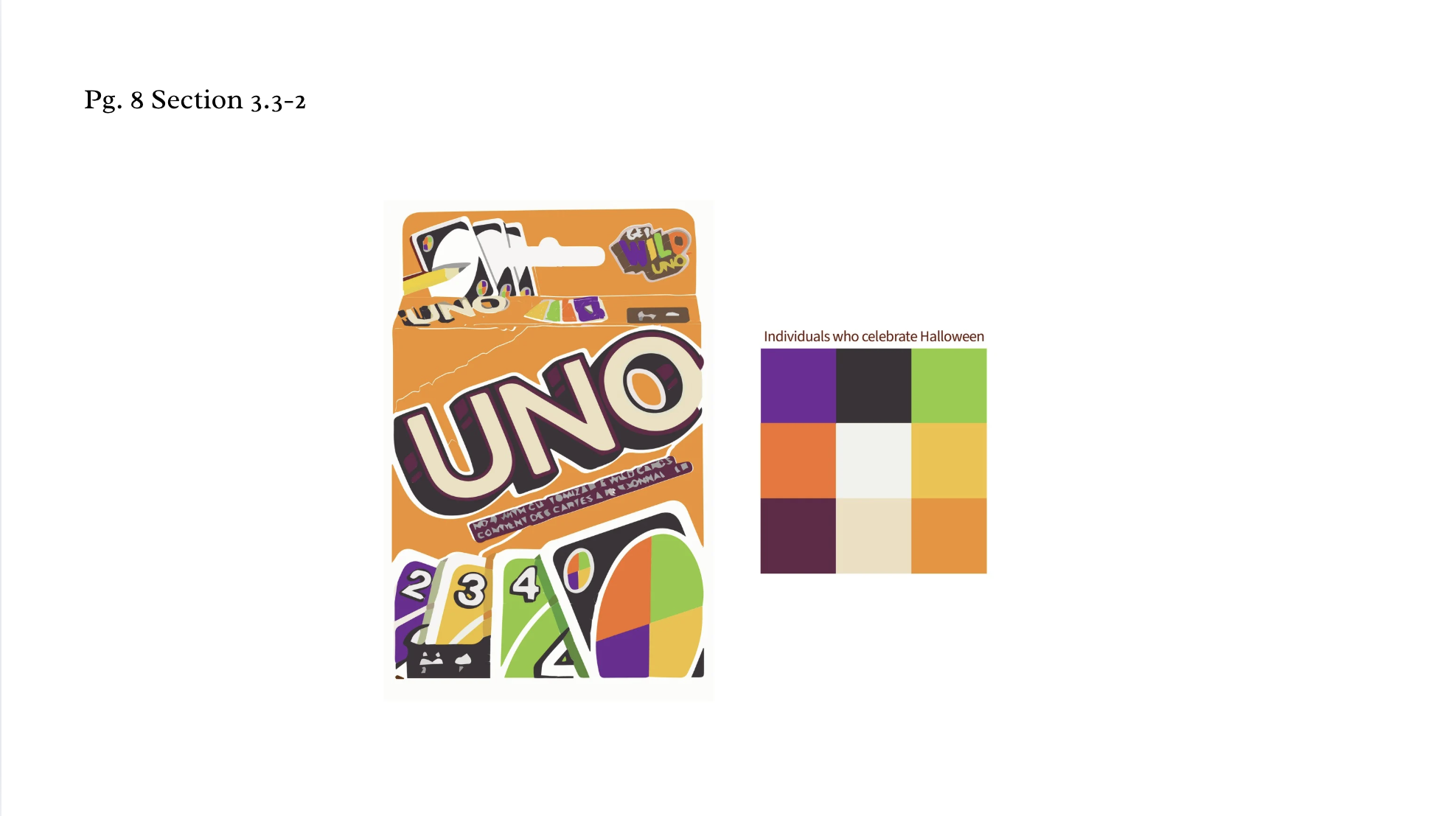
The solution emerged through iterative feedback and a shift in process. I began to treat colour as a deliberate, psychological tool. For a Halloween palette, this meant balancing "spooky" dark purples with a playful slime green to appeal to a broader audience. For an Easter palette, it involved carefully adjusting pastel saturation to be engaging but not overwhelming. This project taught me that effective colour use is a balance of art and science—requiring both an understanding of colour relationships (like simultaneous contrast and value scales) and a deep empathy for the target viewer.
Tools
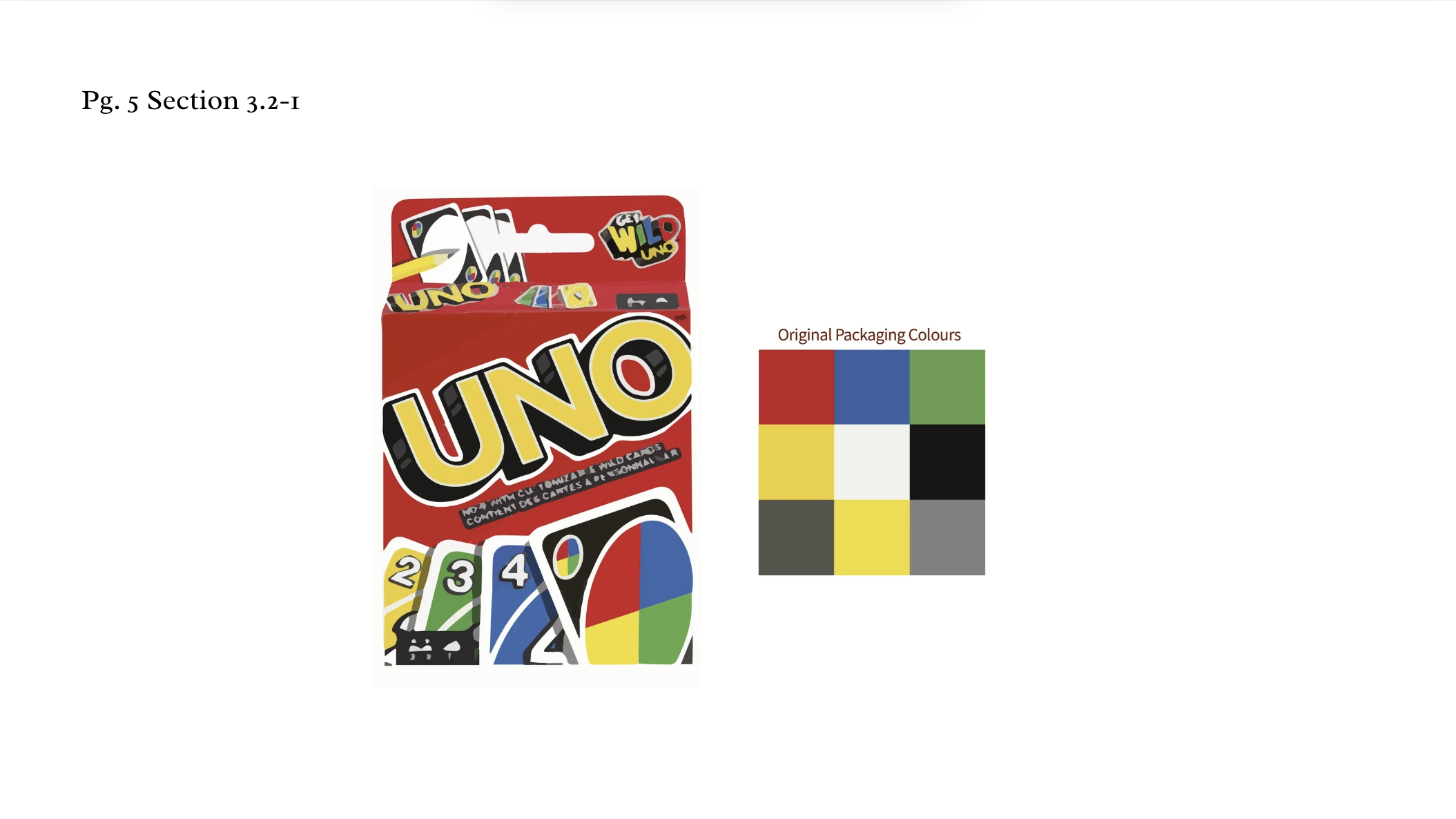
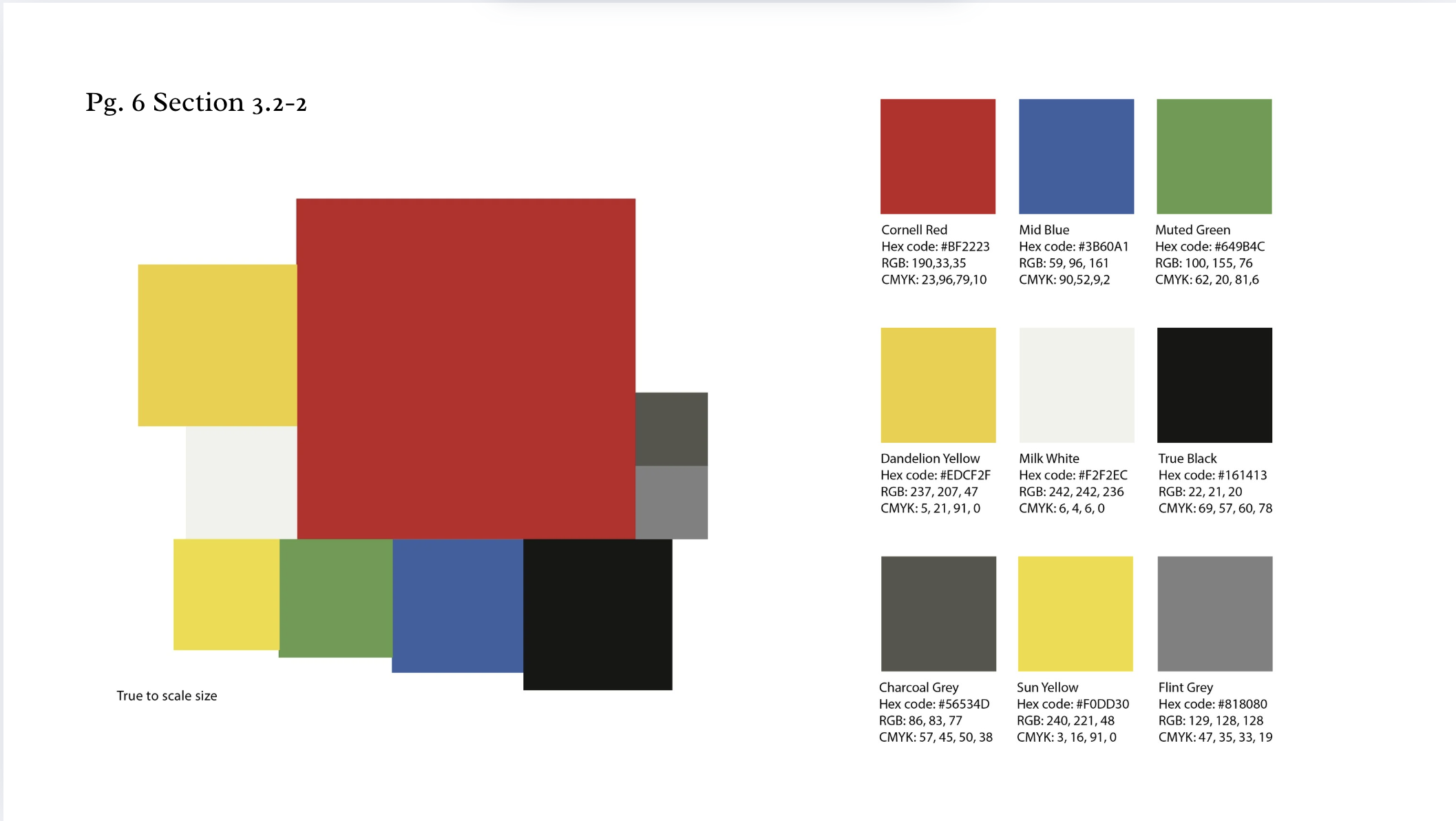
This project was developed using a combination of Adobe InDesign for precise layout and typographic control, Figma for initial palette exploration and digital mockups, and Canva for rapid prototyping and presentation. The final deliverables demonstrated a firm grasp of colour systems, with technically defined palettes in HEX, RGB, and CMYK for consistent reproduction.
Project Details
Project: Colour Branding & Theory
Key Skills & Concepts:
Colour Theory & Psychology
Simultaneous Contrast
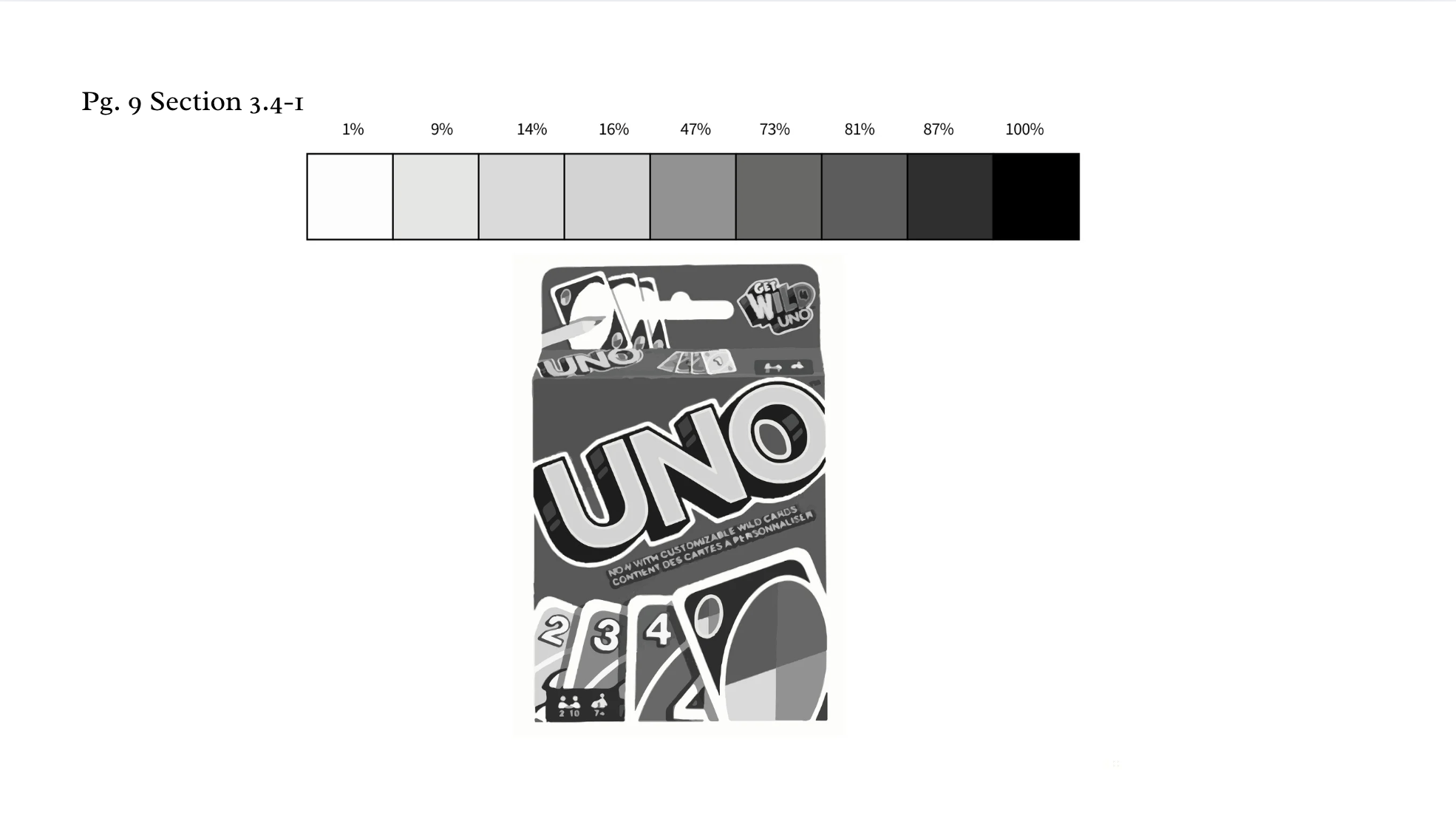
Tonal Value & Hierarchy
Strategic Palette Development
CMYK, RGB & HEX Colour Systems
Iterative Design & Receiving Critique
Software Used:
Adobe InDesign
Figma
Canva
Note:
Featured as a standout example of iterative improvement and strategic thinking following instructor and peer feedback.