Biophilic Design: Enhancing Well-being in Academic Spaces
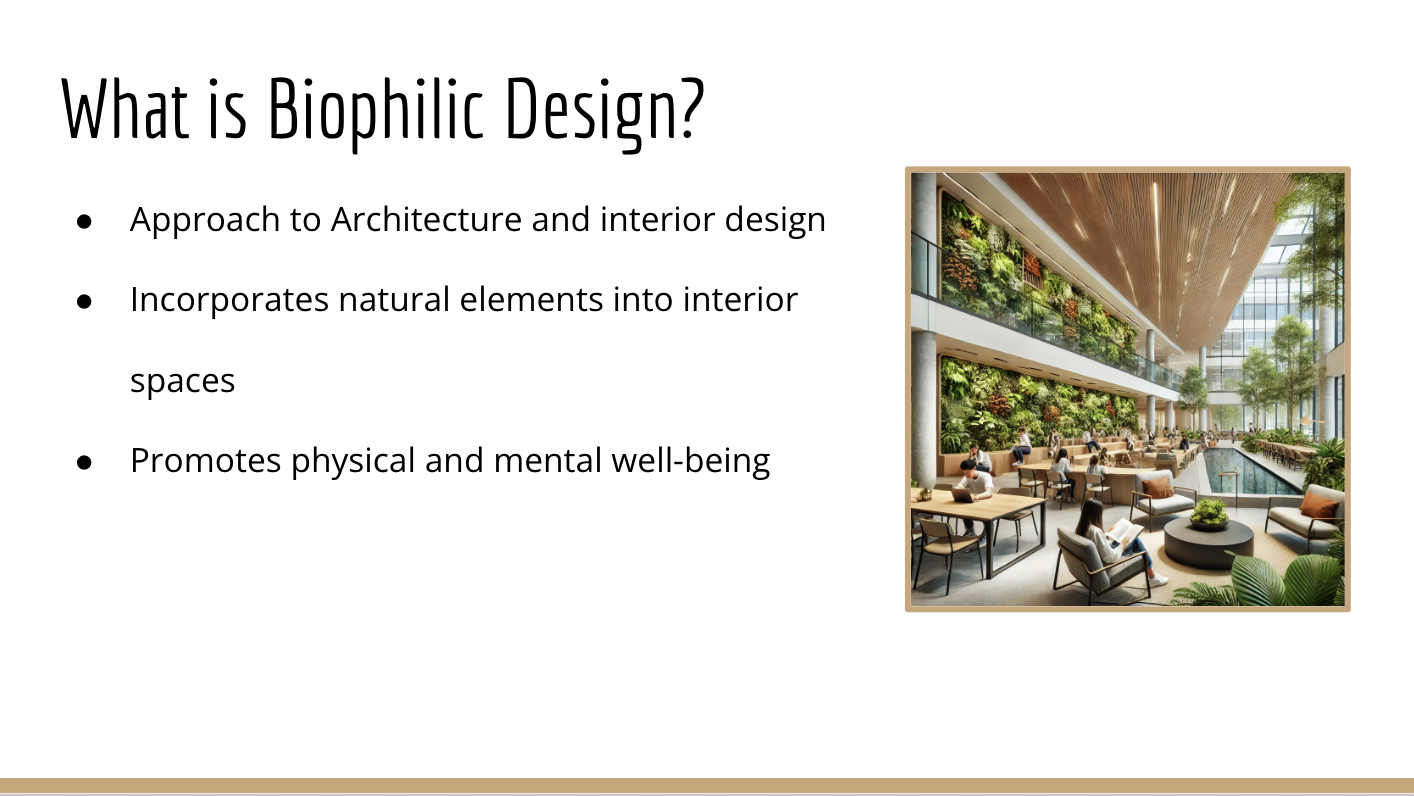
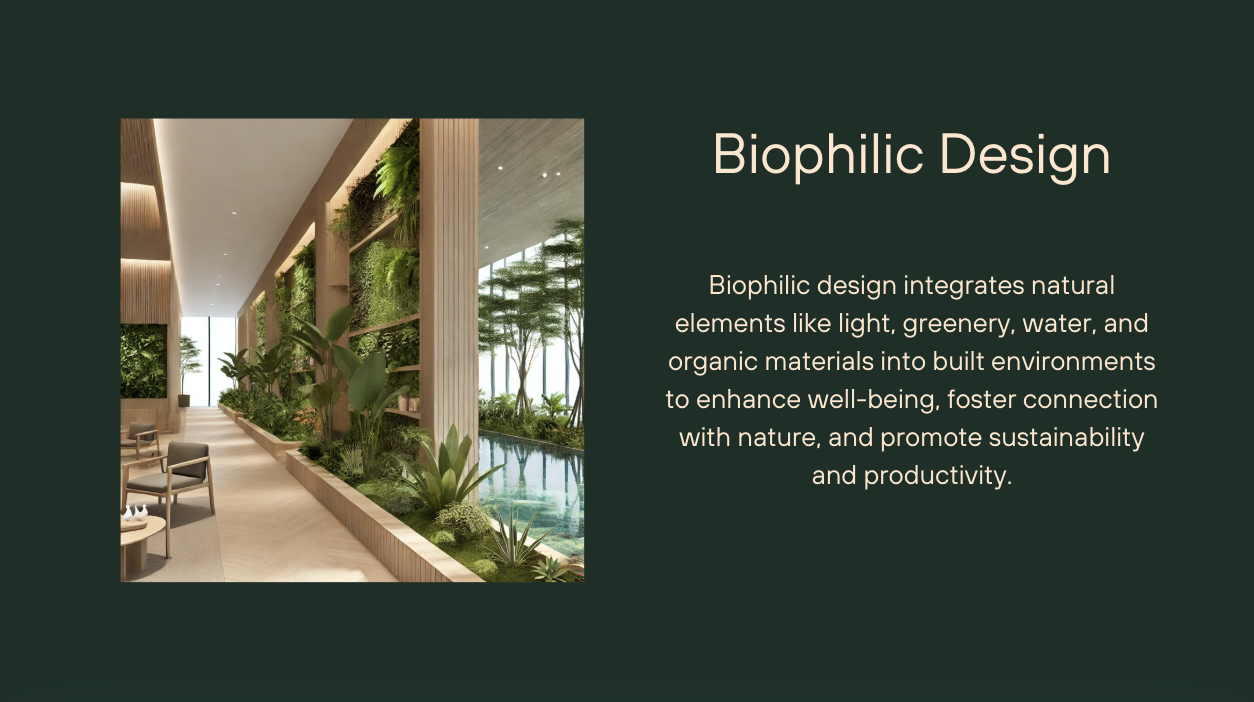
This group project focused on researching and advocating for Biophilic Design—an architectural approach that integrates natural elements into built environments to improve occupant well-being. Our goal was to understand its challenges and demonstrate its profound value, specifically within the context of a university campus.
Final Design
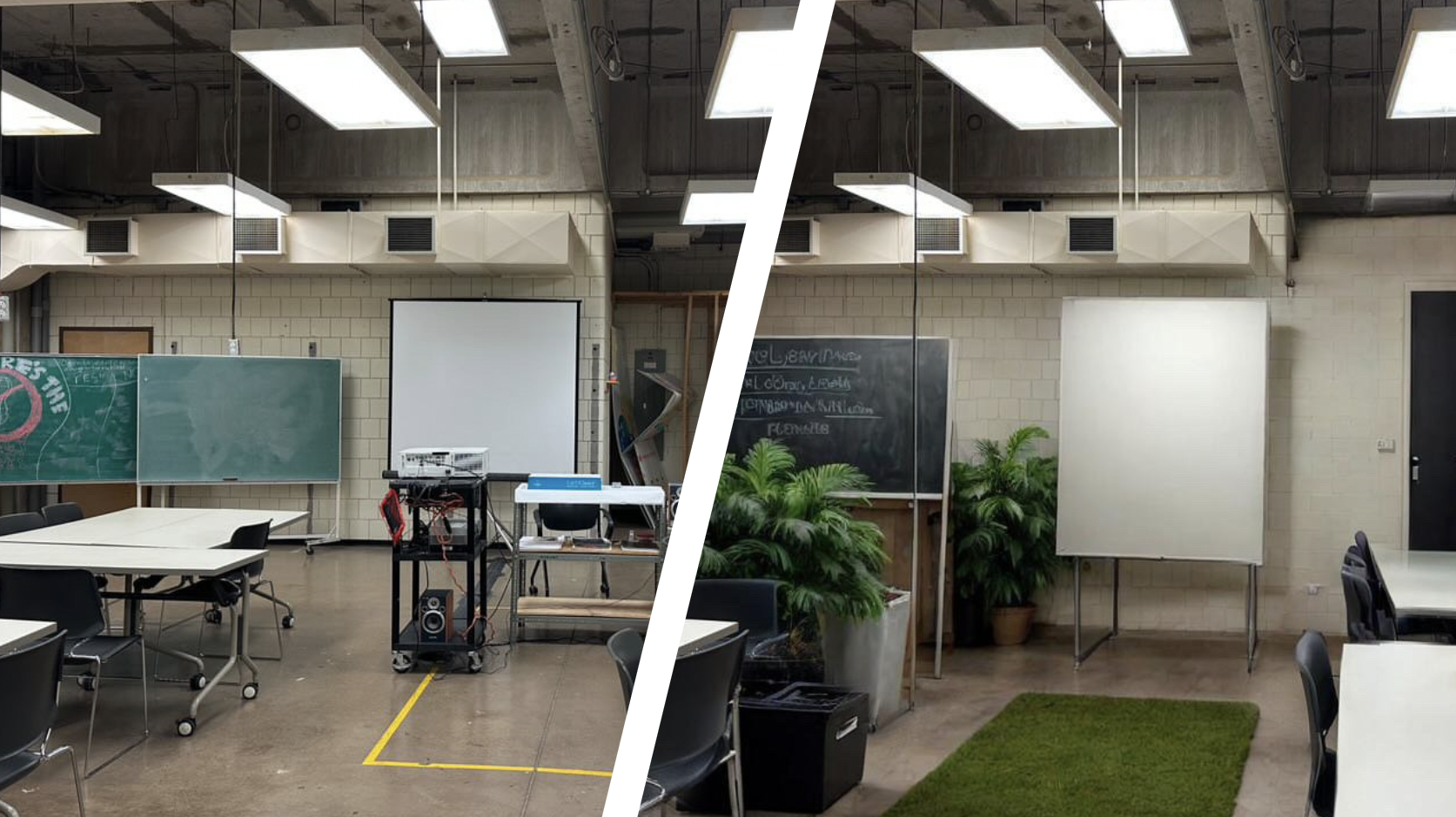
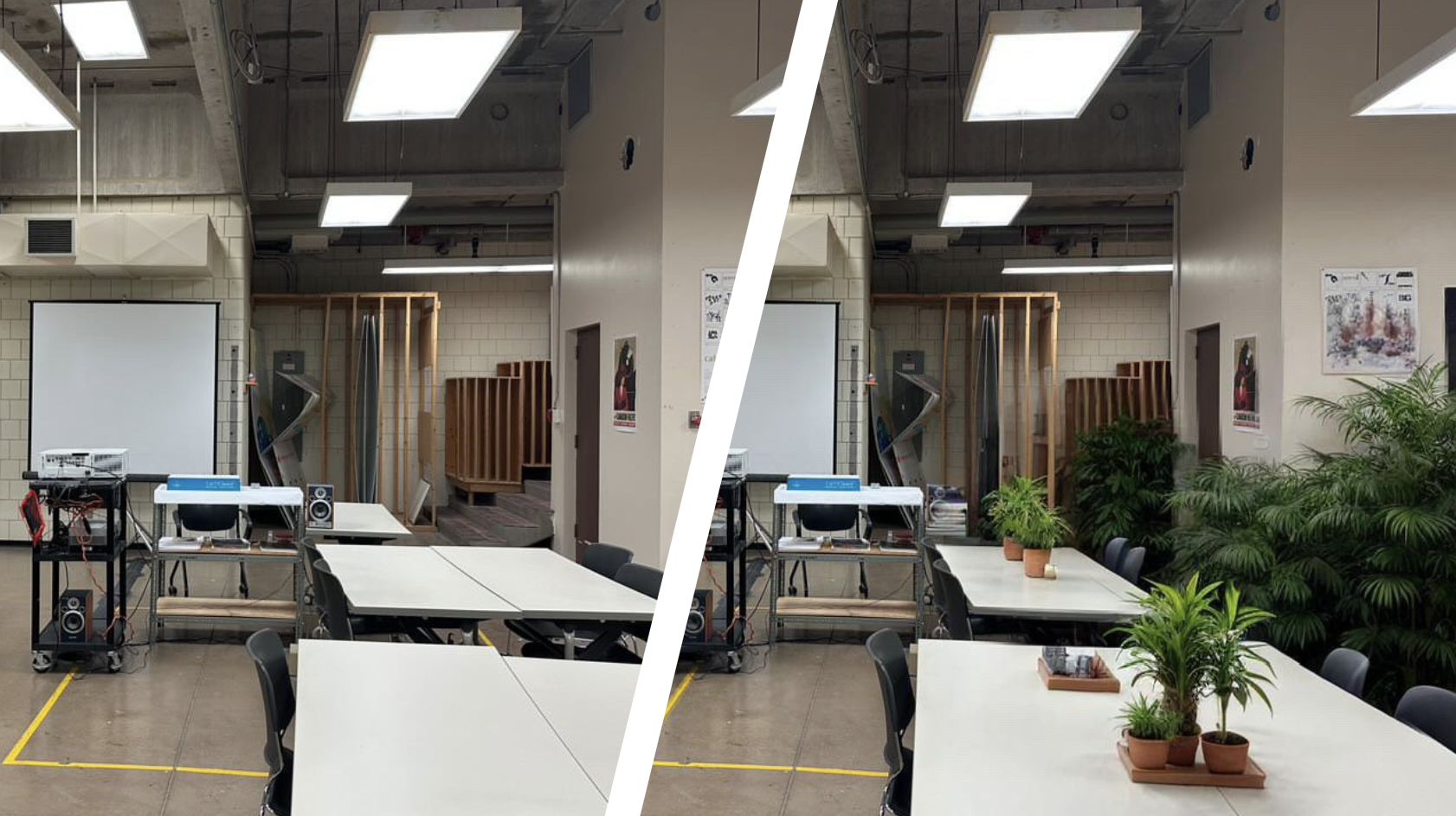
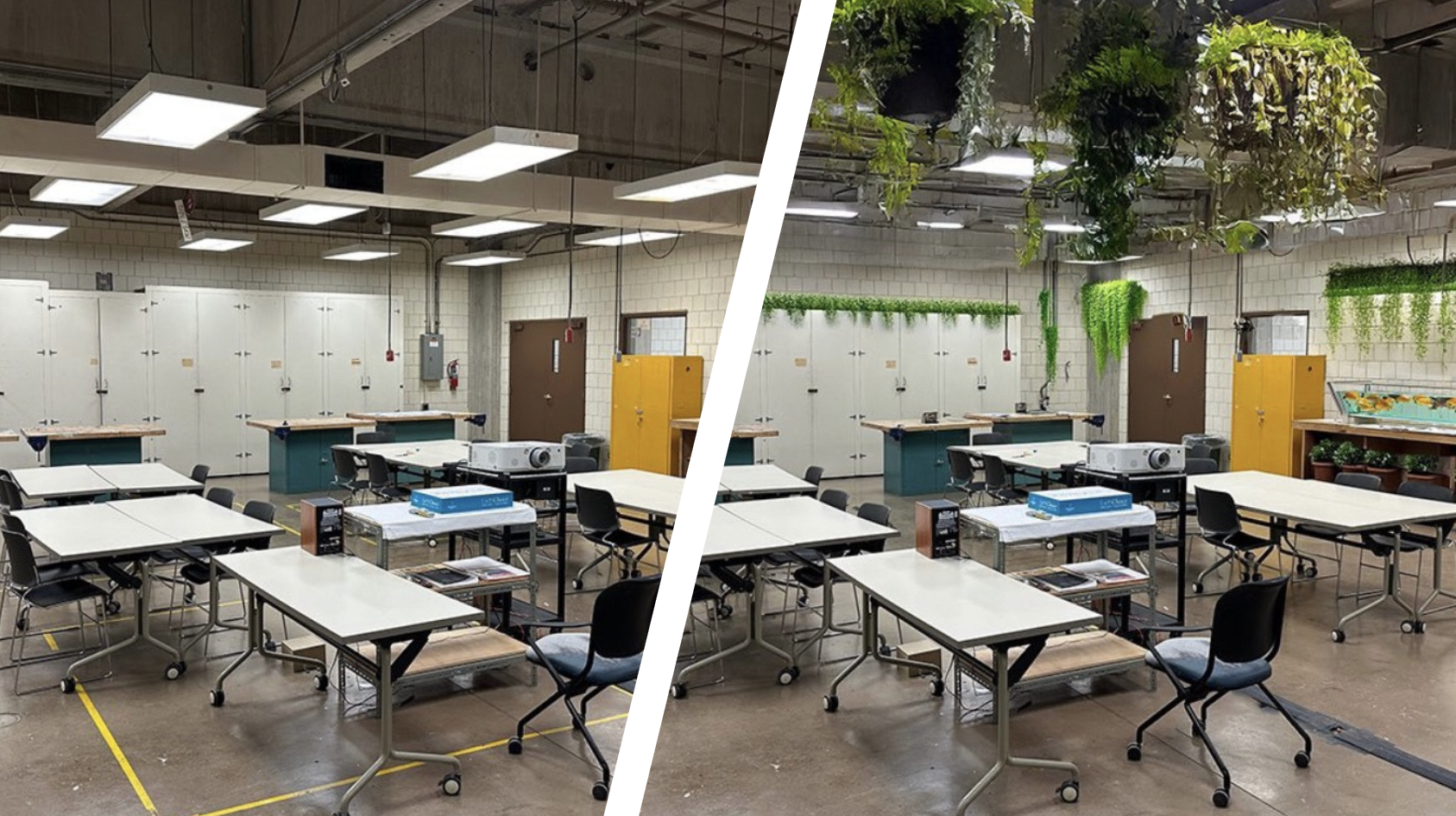
Problem?
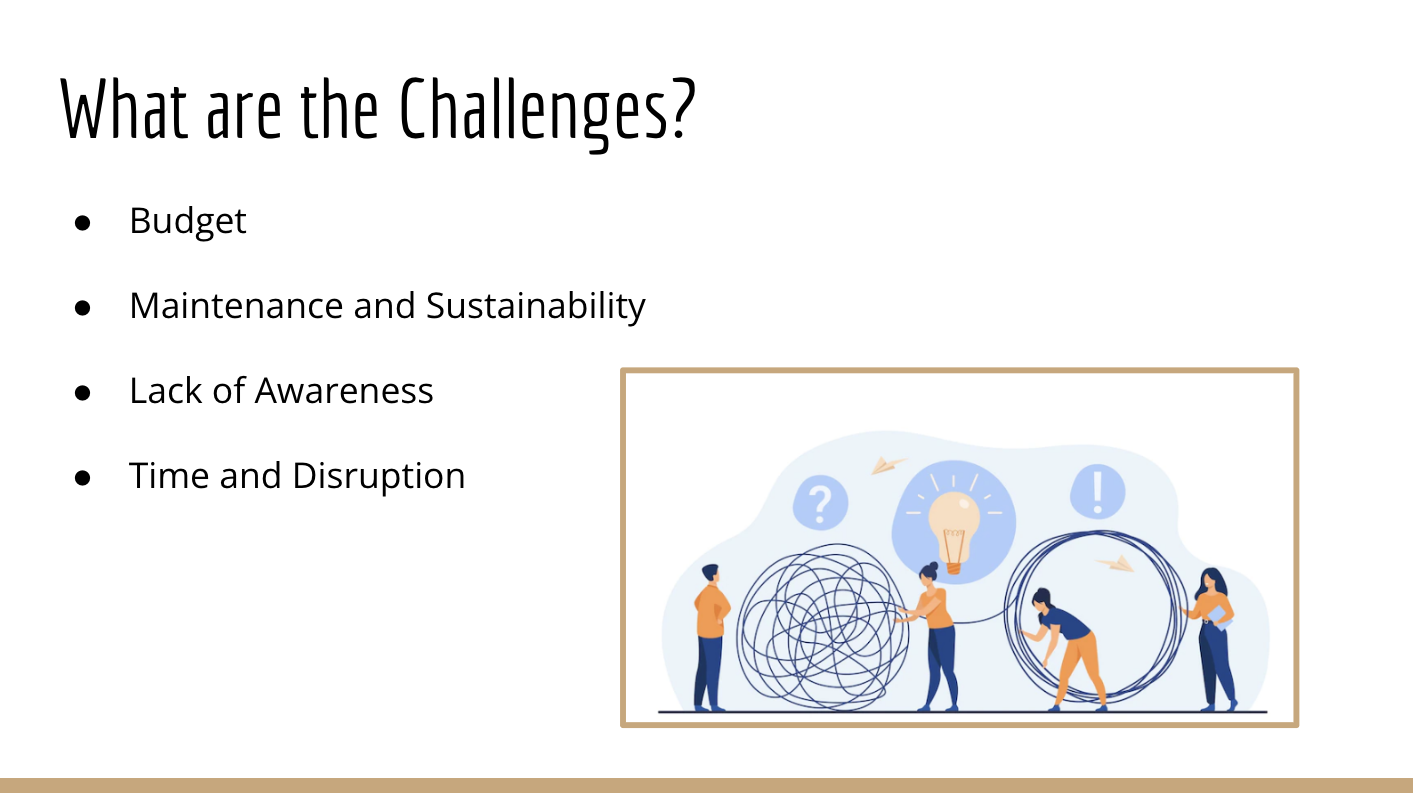
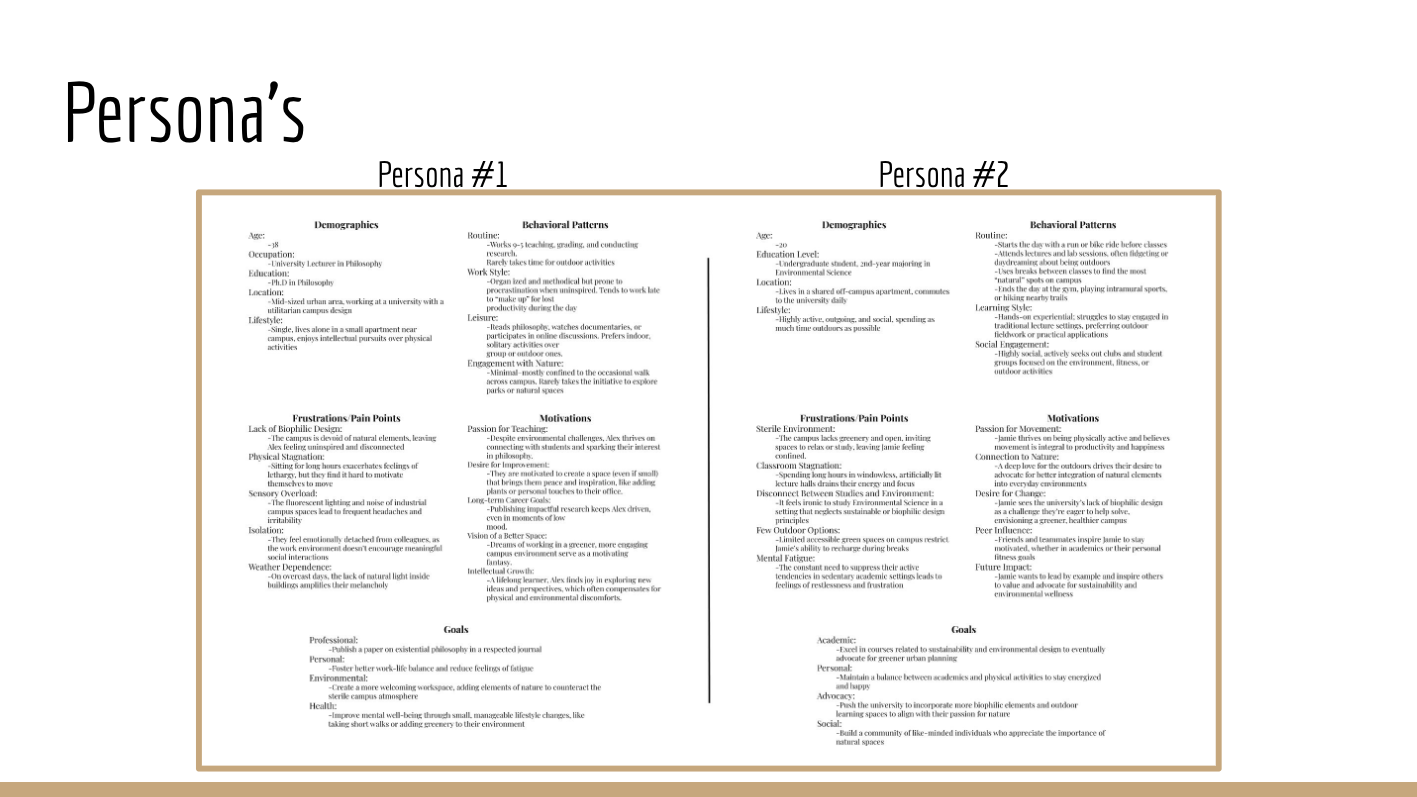
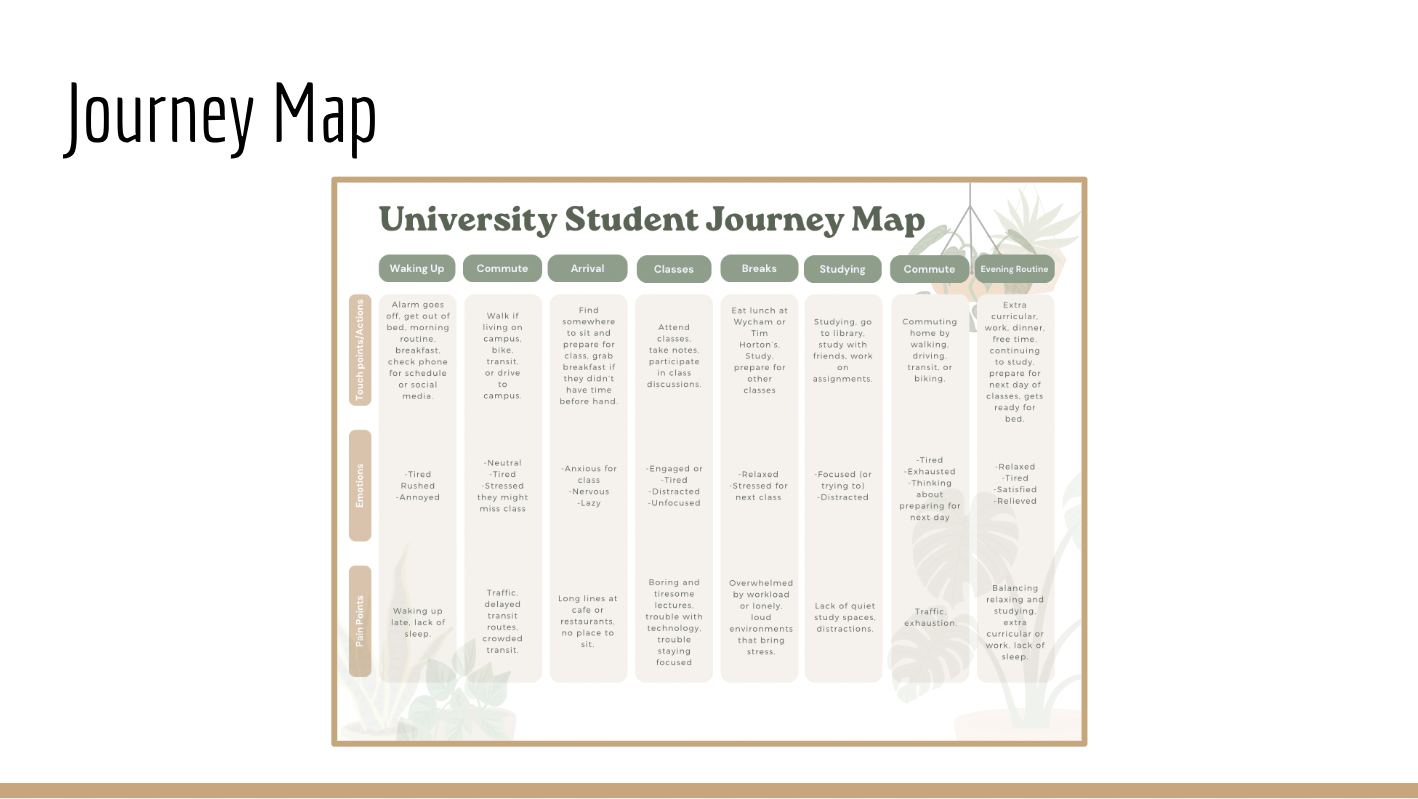
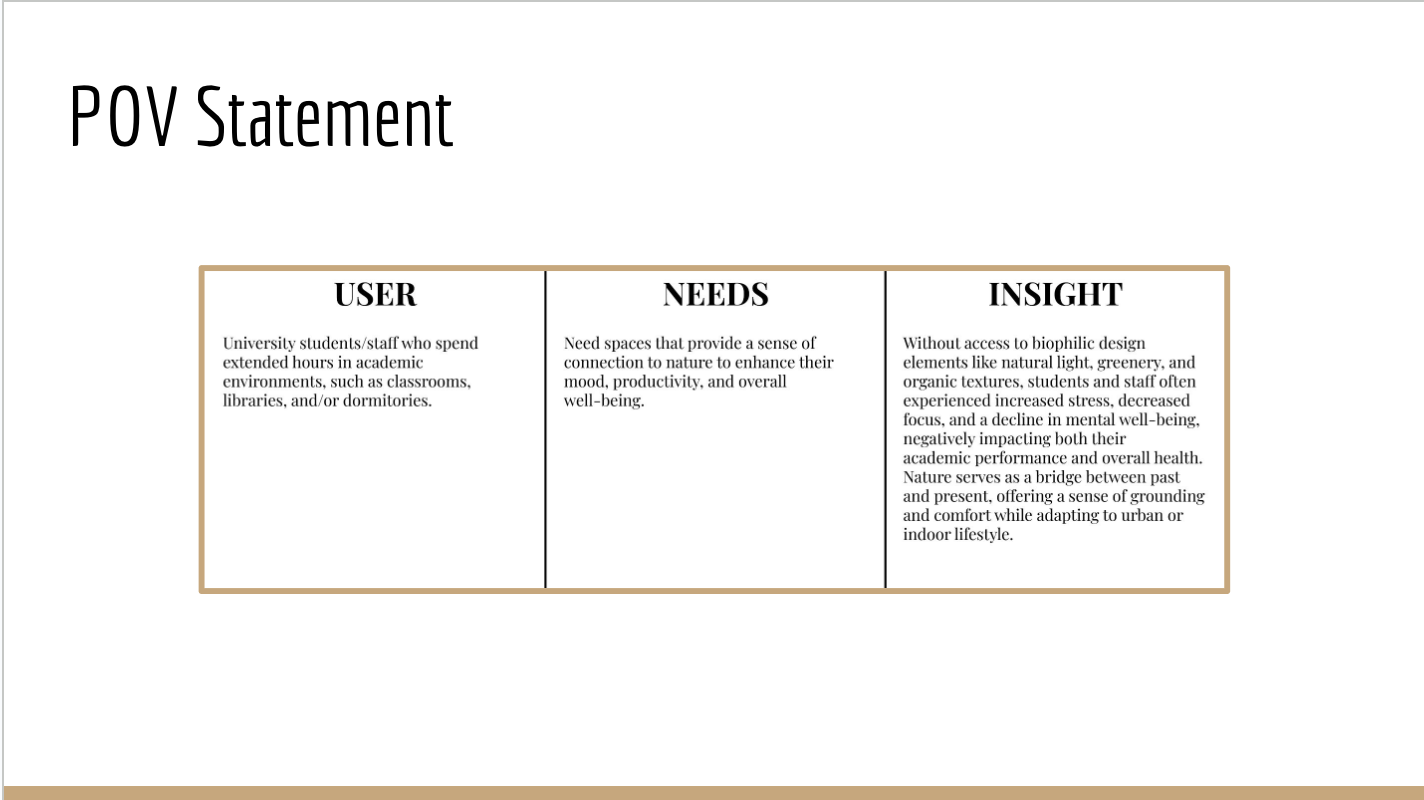
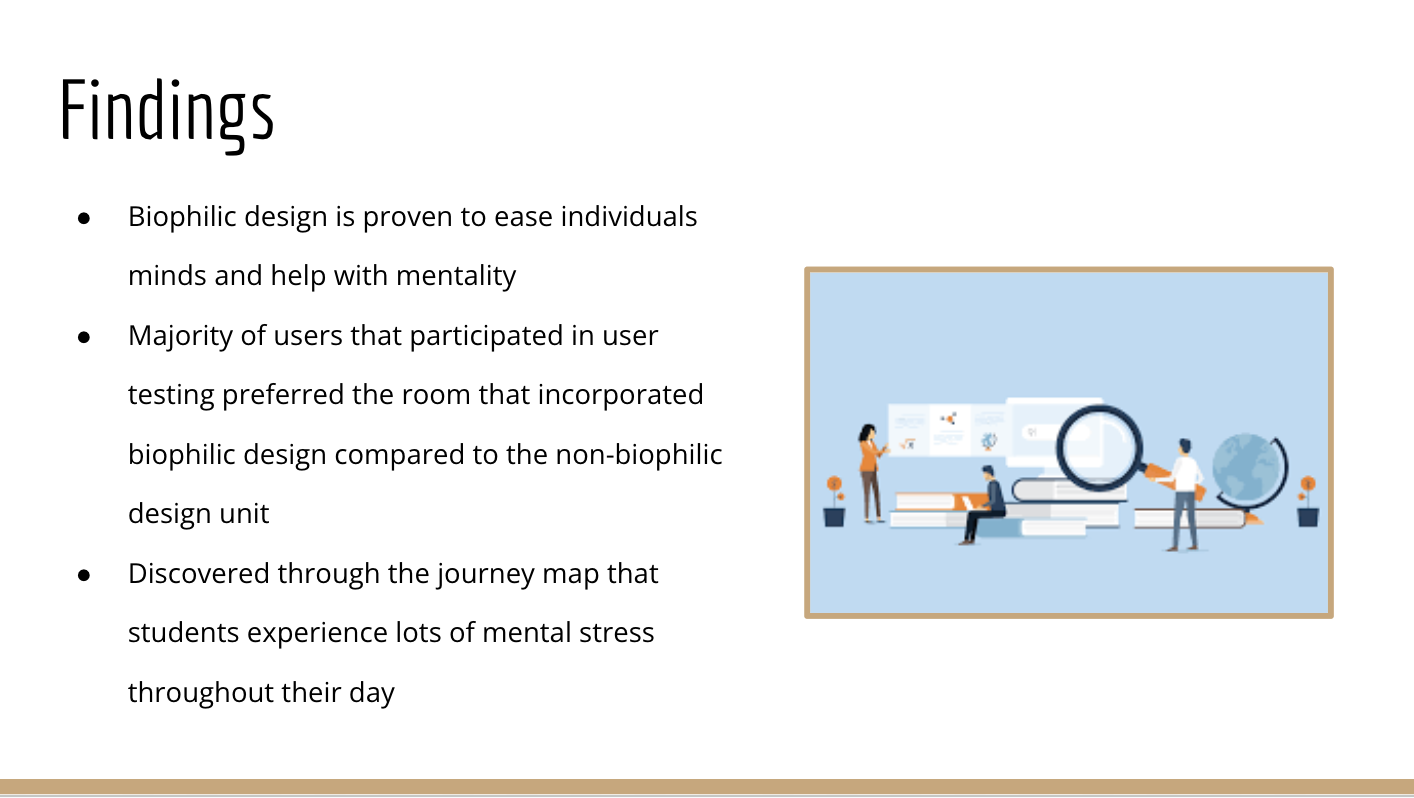
We discovered that many academic environments, like classrooms and libraries, are often designed for pure utility, lacking a connection to nature. Through user research, including personas and journey mapping, we identified that students and staff spending long hours in these sterile spaces experienced increased stress, decreased focus, and a decline in mental well-being, which negatively impacted their academic performance and overall health.
Solution?
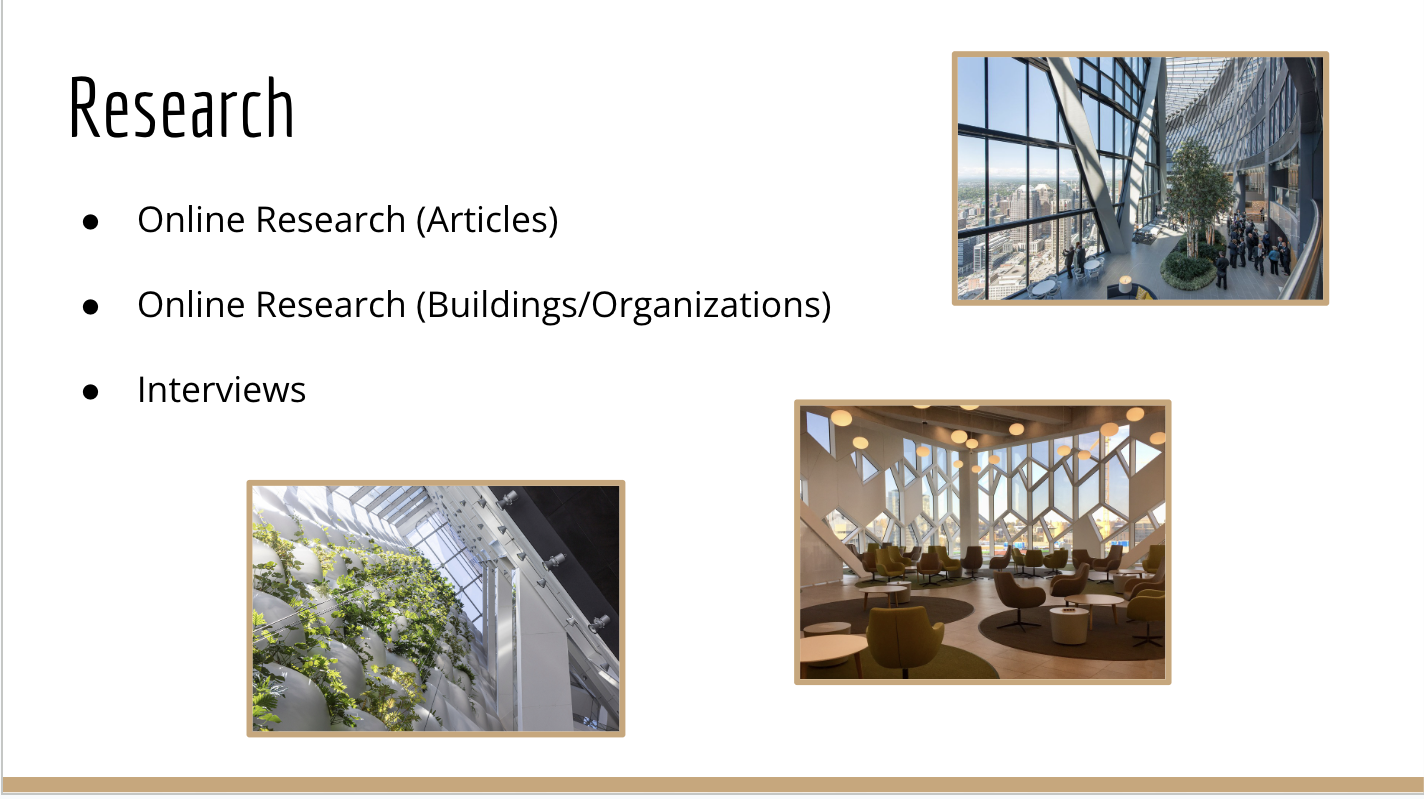
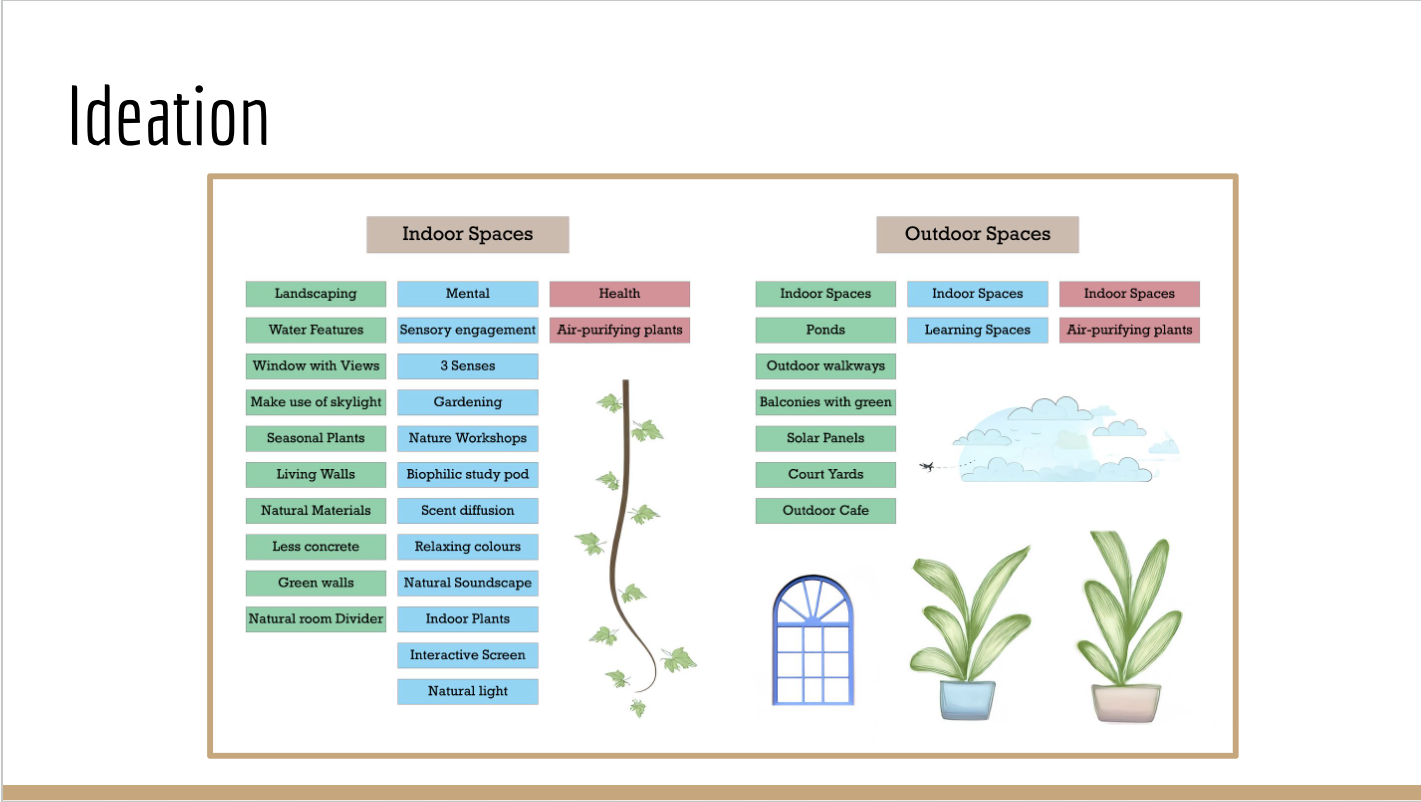
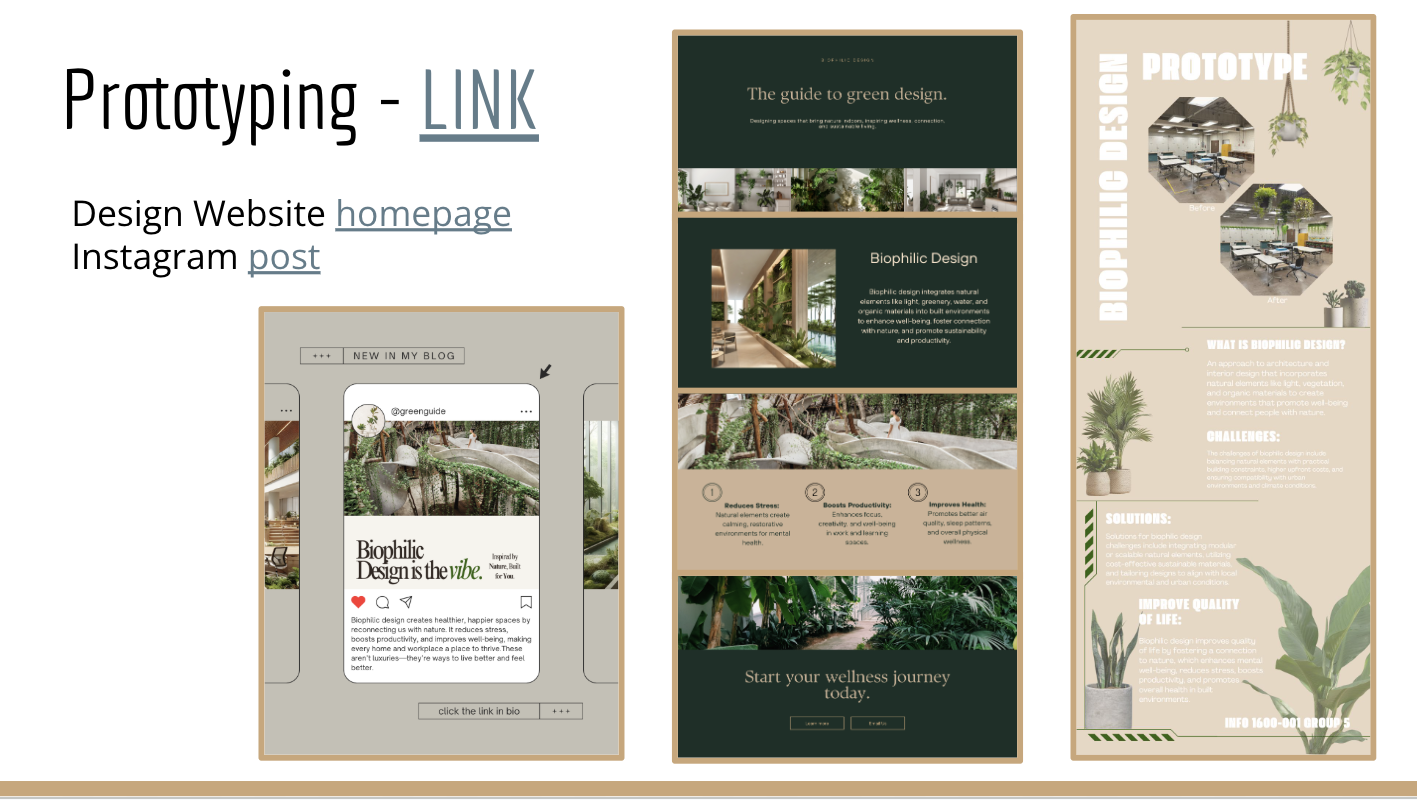
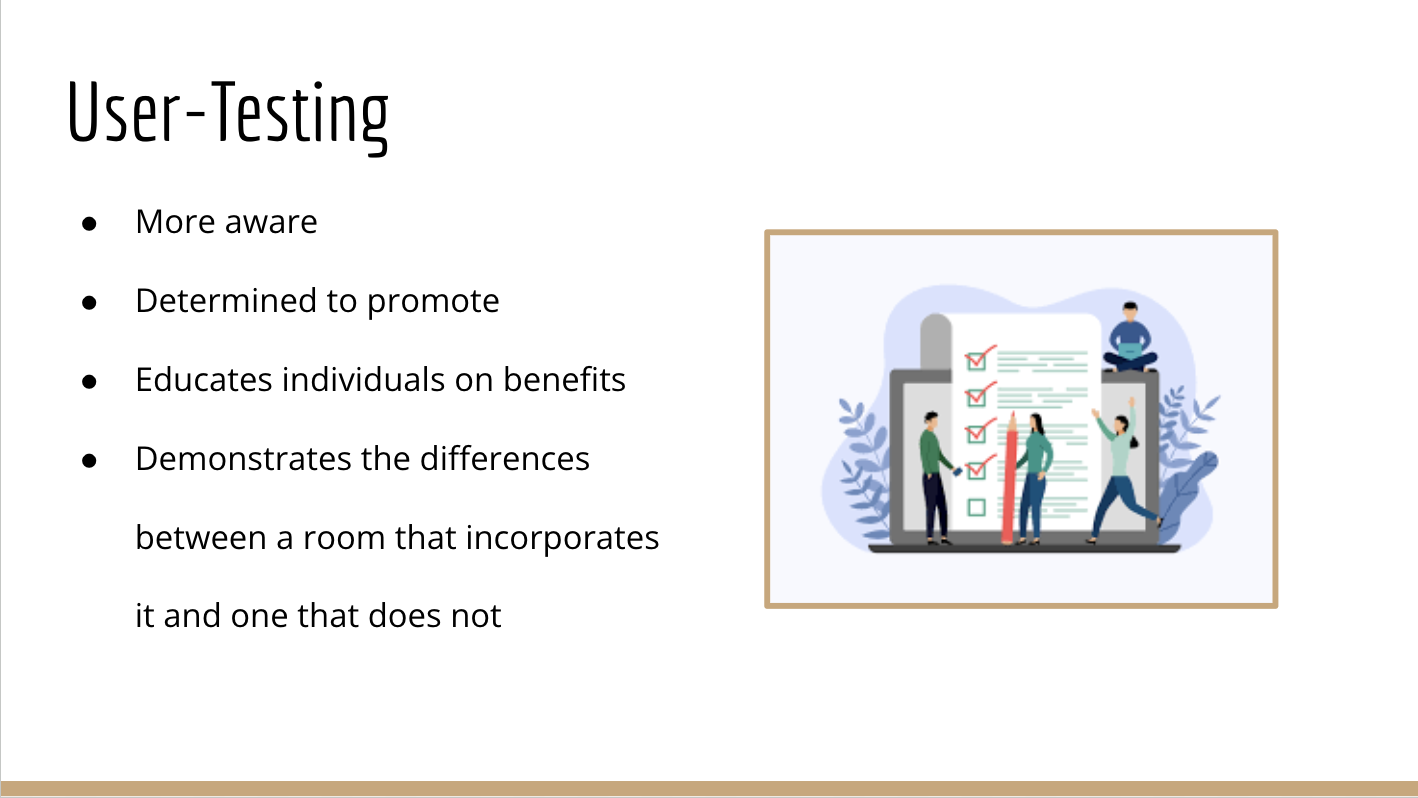
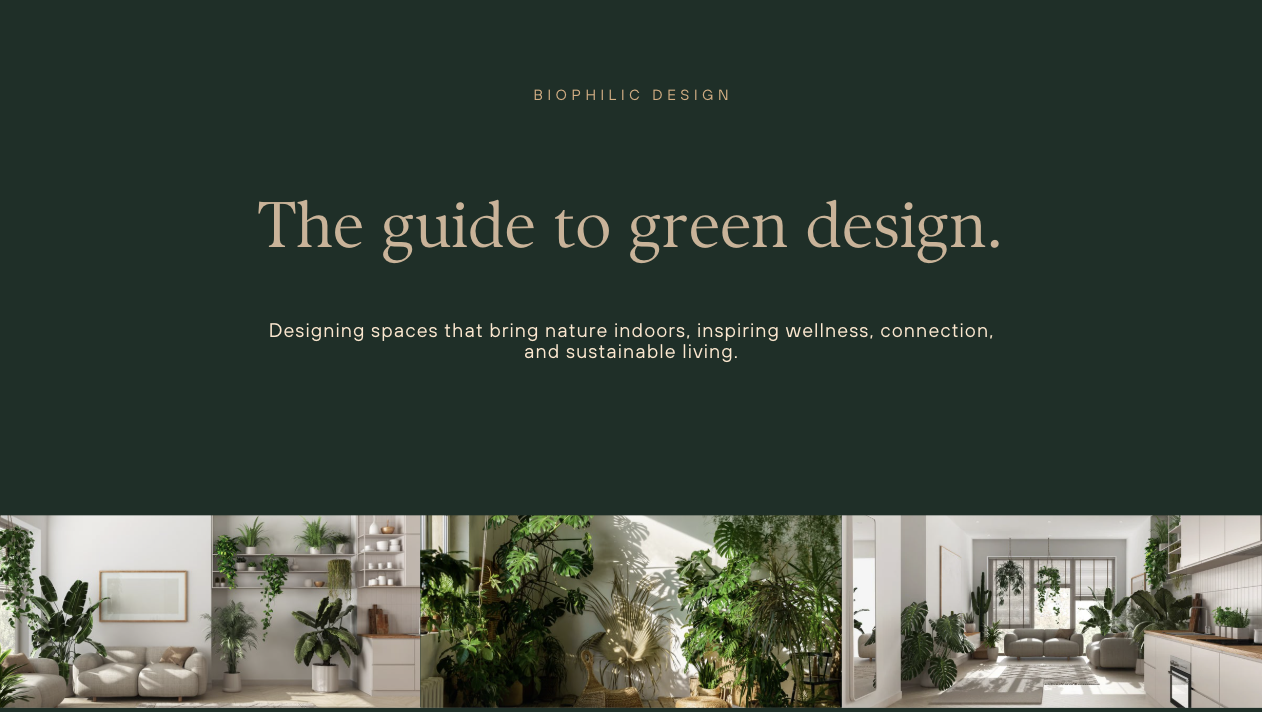
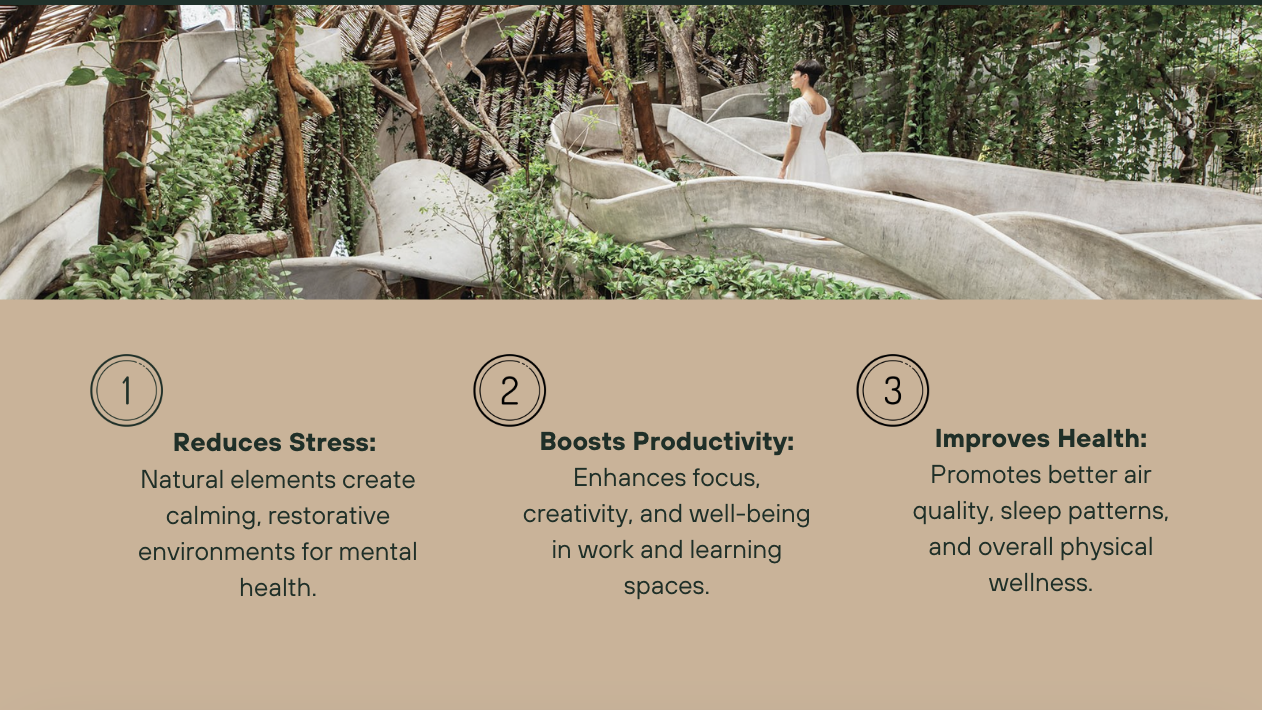
Our solution was a comprehensive design framework to reintroduce nature into the Mount Royal University campus. We moved from research to ideation, generating a wide range of practical solutions—from installing living walls and maximizing natural light in indoor spaces, to creating green courtyards and outdoor learning areas. User testing confirmed our hypothesis, with a clear majority preferring and feeling calmer in the biophilically-designed spaces. We synthesized our work into a "Green Guide" infographic to clearly communicate the benefits and practical applications of our research.

Tools & Process
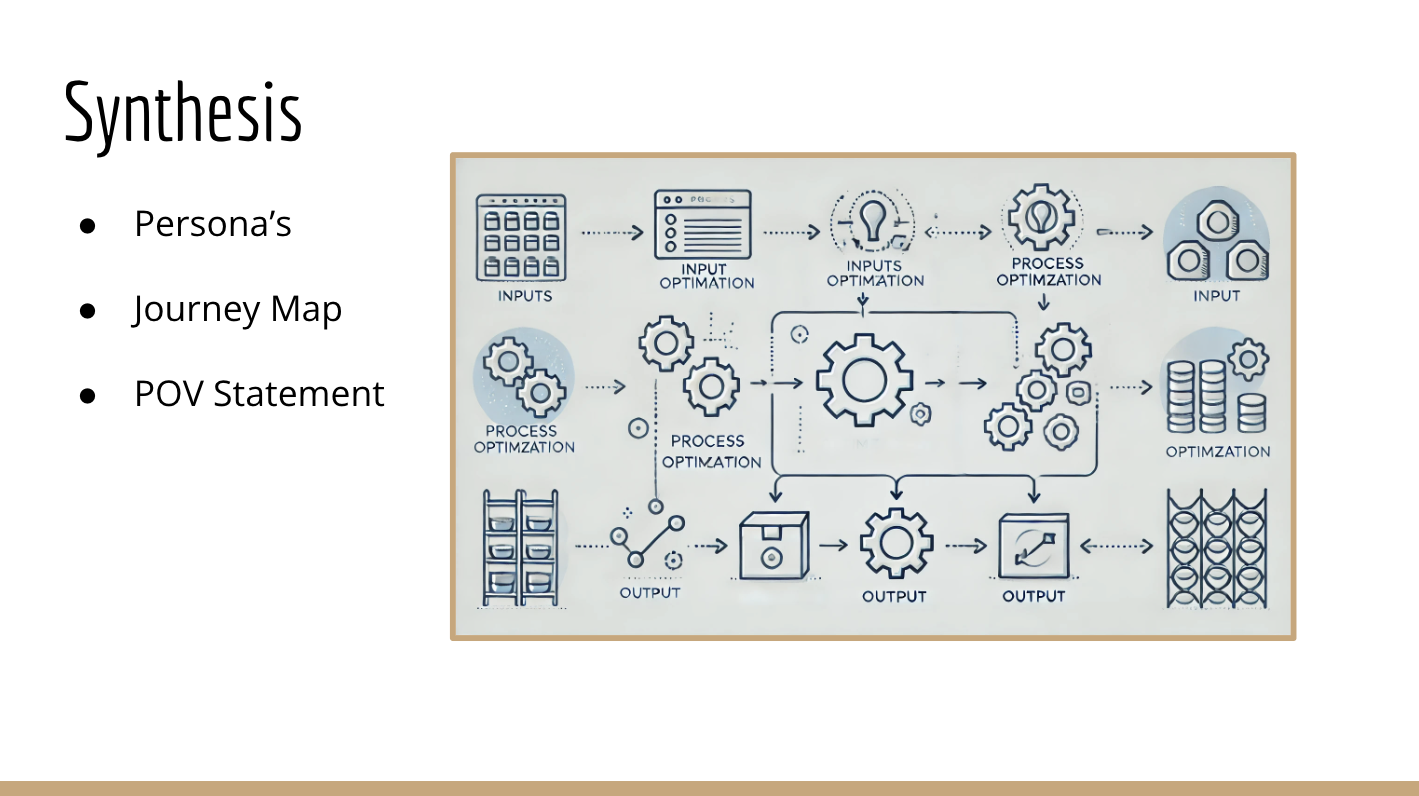
This project was a full exercise in the design thinking process. We conducted research, synthesized data into personas and a journey map, defined our point of view with a POV statement, and moved into ideation and prototyping. The final visual presentation and our "Green Guide" infographic were professionally laid out using Adobe InDesign, while initial brainstorming and visual concepts were developed in Figma and Canva.
Project Details
Project: Biophilic Design in Commercial & Academic Spaces
My Role: Co-Researcher, UX Strategist, Visual Designer
Key Skills Demonstrated:
Design Thinking & Research Synthesis
Persona & Journey Map Development
Problem Framing (POV Statements)
Ideation & Conceptual Prototyping
Data Visualization & Informational Design
Software Used:
Adobe InDesign
Figma
Canva
Key Finding:
"The majority of users preferred the room that incorporated biophilic design, reporting it eased their mind and helped with mentality."